How AI Unifies the Entire Office Experience
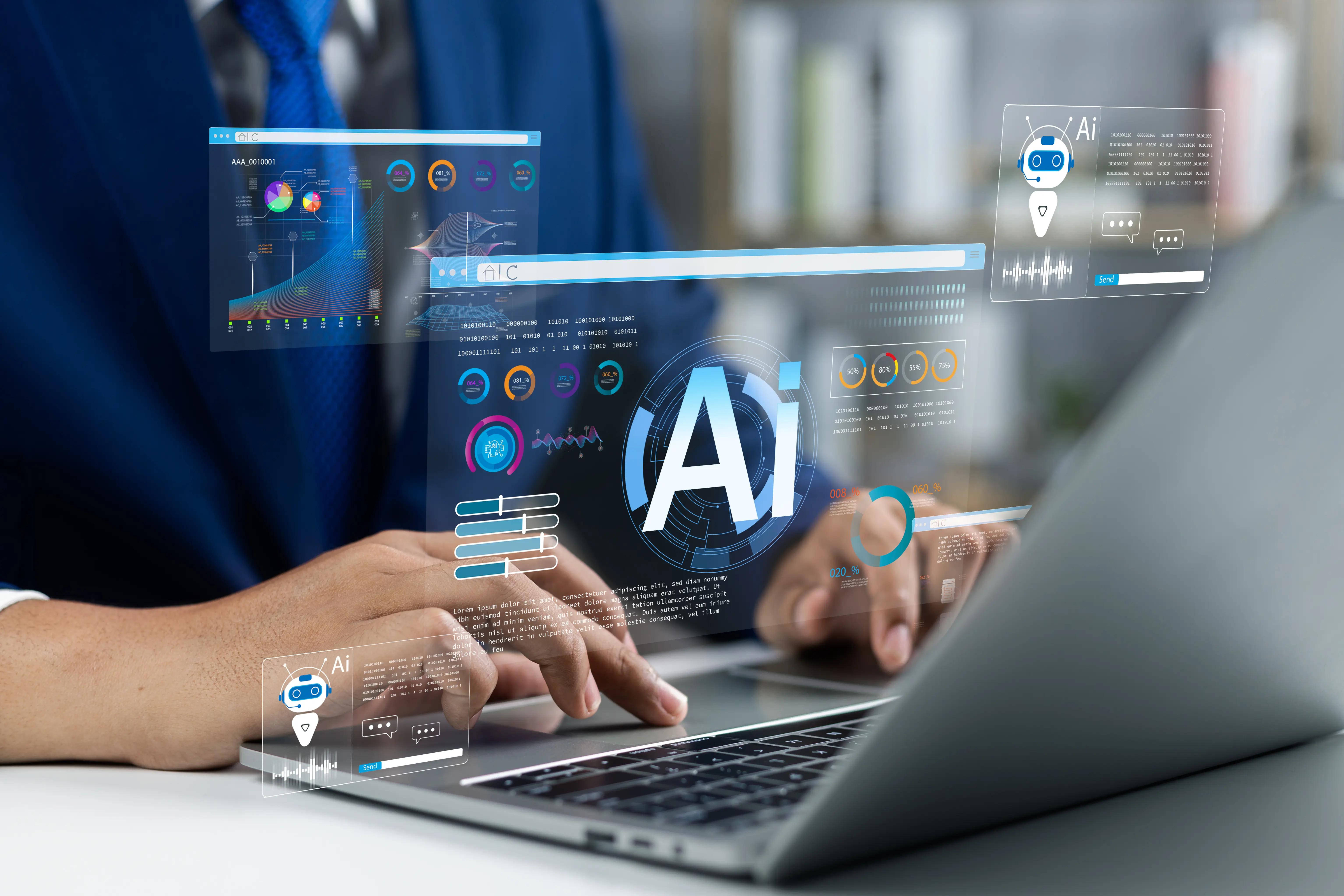
Workplace AI refers to the suite of artificial intelligence technologies that consolidate access control, space bookings, incident management, and day-to-day services into a single interface. It transforms a collection of disparate tools into a seamless and cohesive employee experience. It is this unification that is redefining the office experience today.
For a long time, every office function operated in its own silo: an access badge to enter, an app to book a room, and a paper ticket to report a malfunction. This fragmentation wastes teams’ time and undermines workplace well-being. Artificial intelligence is a game-changer by connecting these scattered components through a single point of access.
What is workplace AI, and why is it transforming the office?
A workplace AI is a system capable of understanding a request in natural language and automatically triggering the corresponding action, whether that’s opening a door, booking a meeting room, or reporting a technical issue. It replaces multiple interfaces with a single intelligent point of contact.
This transformation is no longer a niche phenomenon. By 2026, one in two employees will already be using AI in their daily work—a figure that increasingly includes applications related to the work environment itself (Source: KPMG).
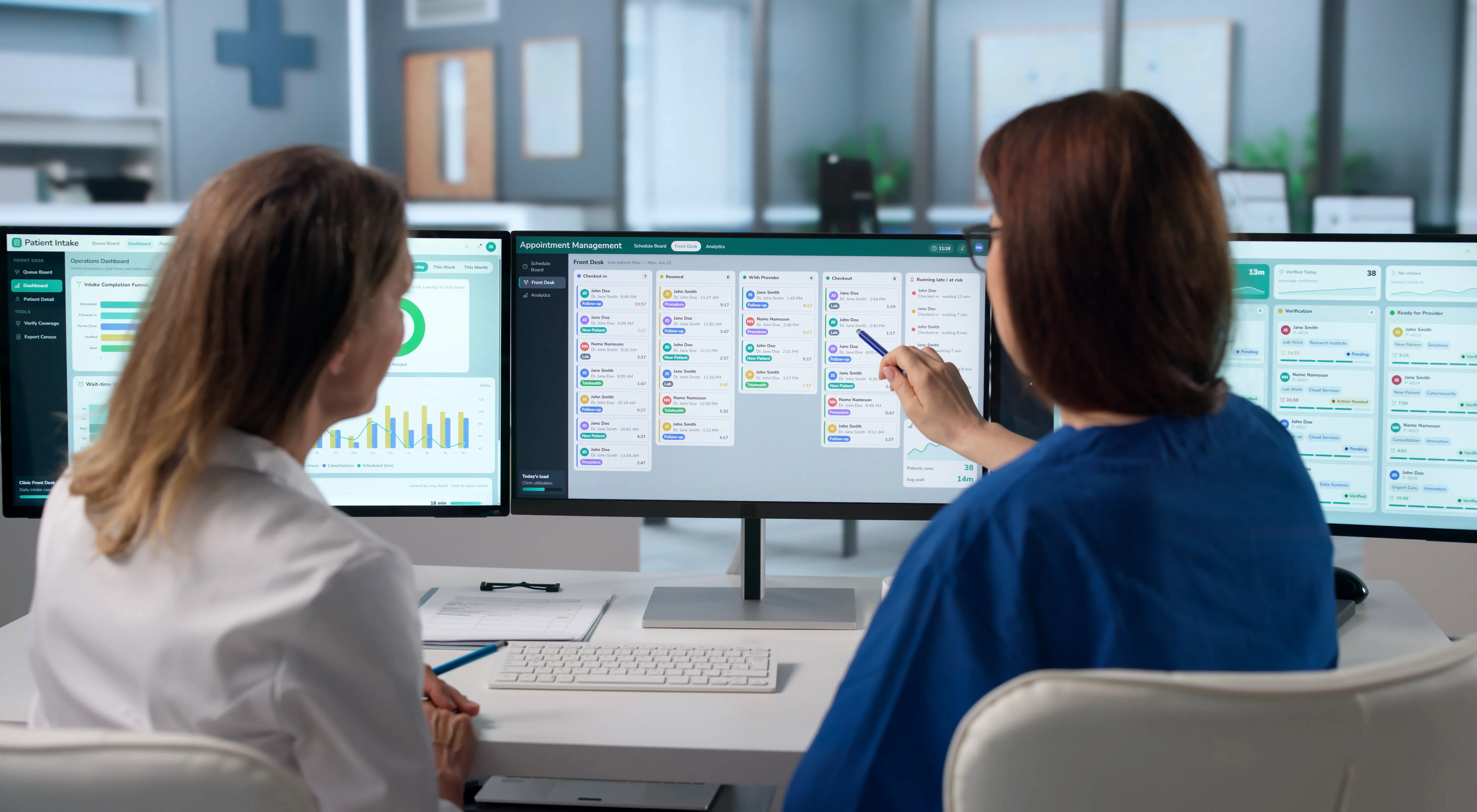
The stakes go beyond simple automation. An AI-driven unified office experience enables facilities teams to manage a site remotely, helps employees save time, and allows real estate departments to accurately measure actual space usage.
Practical Applications That Are Redefining the Workplace Experience
AI isn't limited to a single use case: it permeates every stage of the workday, from arriving on site to leaving, including interactions in shared spaces.
Smart Access Control and Site Security
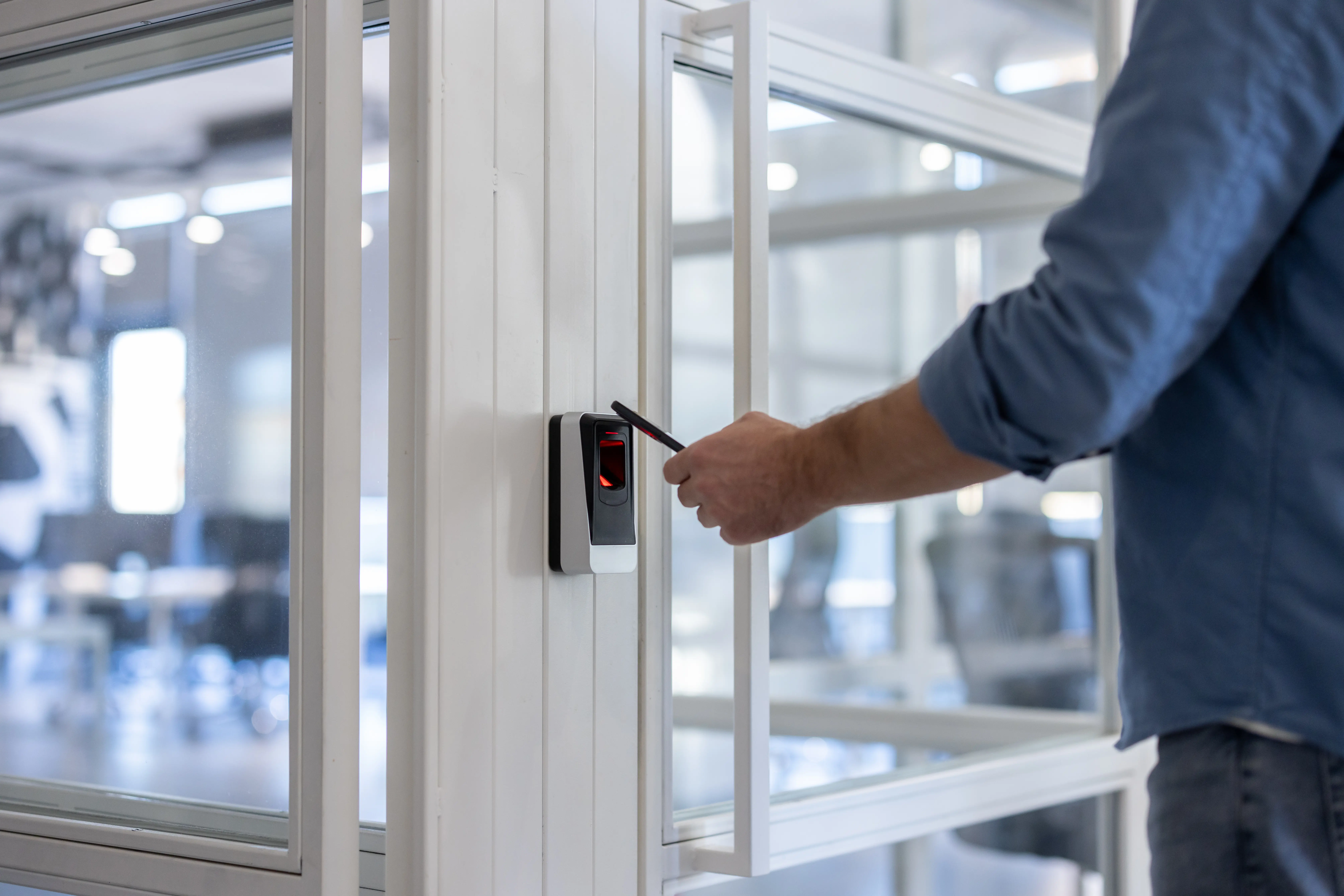
A smart access control system automatically recognizes an employee or visitor and grants them the appropriate access rights without human intervention. It reduces wait times at the reception desk and improves the traceability of foot traffic on a site.
This type of system relies on dynamic rules: a temporary badge for a service provider, expanded access for an event, and automatic restrictions outside of business hours. AI continuously adjusts these settings without the need for repeated manual configuration. The SaaSOffice access control module implements this logic using NFC badges or digital QR codes, without the need to install any additional hardware.
Automated Space Booking
The AI-powered room booking system suggests the room or workstation best suited to a simply stated need, such as “a room for four people this afternoon.” The system matches availability, amenities, and location in a matter of seconds.
This automation also helps reduce the problem of “ghost bookings”—rooms that are booked but never used. By detecting unoccupied time slots, the AI automatically frees up the space for other teams. The SaaSOffice space booking module, powered by NOVA, cross-references calendars, available rooms, and actual on-site presence in just a few seconds.
Real-Time Incident Management
AI-powered incident management allows you to report an outage or malfunction in just a few words, without having to fill out lengthy forms or create complex tickets. The request is automatically categorized, prioritized, and forwarded to the appropriate technical team.
This expedited process reduces the downtime for equipment or a room. Facility management teams gain greater visibility into recurring issues thanks to a centralized history. This is precisely what the SaaSOffice incident reporting module offers: a single sentence is all it takes to generate multiple qualified tickets that are routed to the right team.
Centralized Daily Services
Beyond access and spaces, the AI also centralizes everyday services: food ordering, visitor management, and practical information about the site. Every request goes through the same conversational channel.
This centralization makes life easier for employees, who no longer need to juggle multiple applications. It also simplifies the work of HR and facilities teams, who can manage everything from a single dashboard. The SaaSOffice Services & Concierge module covers this scope—from dry cleaning to local partners—and is directly accessible from NOVA.
Why AI Is Becoming Essential in Flexible Office Spaces and Commercial Real Estate
The rise of the flexible office is significantly accelerating the need for smart tools. Without a designated desk, every employee needs a simple way to find and book an available space at the right time.
Employee access to AI tools in the workplace increased by 50% in 2025, a trend that directly impacts workplace-related uses (Source: Deloitte).
In the commercial real estate sector, the trend is just as clear. In Europe, 60% of companies now consider optimizing their real estate portfolios a strategic priority, a figure higher than the global average (Source: Wojo).
The share of flexible spaces in office transactions also reached 30% in 2025, up from 23% a year earlier (Source: EPSIMAS). This increase reflects a structural trend, not a one-time phenomenon.
In this context, a workplace experience platform centralizes space bookings, access control, and occupant services within a single application. Real estate companies and facility managers who adopt AI can thus anticipate occupants’ expectations while optimizing the actual utilization rate of square meters. This digital shift is inspired by sectors that have already undergone transformation, as illustrated in our article on the digitization of commercial real estate and the lessons learned from the tourism industry.
How to Choose a Unified Workplace AI Platform
The choice of an AI solution for the office is based on three main criteria: functional coverage, ease of use, and the ability to integrate with the tools already in place at the company.
An effective platform must cover the entire employee experience—from accessing the site to using day-to-day services—without requiring multiple applications. It must also be easy to use without extensive training, even for occasional visitors.
Finally, integration with existing systems—such as access badges, company directories, and ticketing tools—determines how quickly the solution can be implemented and how effectively it is adopted by teams on the ground. Our article on the power of unified data for workspaces explains why fragmented data limits the quality of management.

SaaSOffice and NOVA: The voice assistant that centralizes the workplace experience
SaaSOffice directly addresses these challenges with NOVA, an intelligent voice assistant designed to unify the office experience. NOVA centralizes access control, space bookings, incident management, and visitor management within a single conversational interface.
In practice, an employee can ask NOVA to book a room, report an incident, or announce a visitor—all without having to switch between multiple different tools. SaaSOffice thus creates a seamless experience, designed for both flexible office spaces and traditional office environments.
This approach sets SaaSOffice apart from solutions that are limited to a single component of the employee experience. By using NOVA as a single point of entry, SaaSOffice enables companies to digitize their work environment without complicating their teams’ day-to-day work.
In conclusion
Workplace AI is more than just a technological gimmick: it addresses a real need for simplification, especially as flexible office arrangements and shared spaces become more widespread. By consolidating access, bookings, incident management, and services, it brings about a lasting transformation of the office experience.
Companies that adopt an AI workplace platform—such as the one built by SaaSOffice around NOVA—gain a head start in digitizing their sites and boosting employee satisfaction.
Want to see NOVA in action in your own building?
FAQ
What is an AI workplace?
Workplace AI is a technology that centralizes key office functions—such as access control, space bookings, incident management, and occupant services—into a single interface. It replaces several disparate tools with a single point of access. SaaSOffice offers this approach through its voice assistant, NOVA.
How Does AI Improve the Employee Experience in the Office?
AI simplifies every day-to-day interaction: booking a room, reporting a malfunction, greeting a visitor. These tasks are performed using natural language, without complex forms. This seamless experience reduces employees’ mental load and improves their quality of life at work—a key aspect of the workplace experience.
Why does the flex office need AI tools?
Without assigned desks, employees must locate and book an available space each time they come to the office. AI automates this search and tailors the availability of spaces to actual usage. It makes the flexible office model viable on a large scale by eliminating the confusion associated with not having a fixed workstation.
What features does the SaaSOffice NOVA Assistant cover?
NOVA, SaaSOffice's voice assistant, centralizes access control, space bookings, incident management, and visitor management. Employees can perform all of these tasks with a simple voice or text command, without switching applications, which unifies the day-to-day office experience.
Is workplace AI only for large companies?
No, workplace AI can be adapted to organizations of all sizes. Large corporations use it to manage multiple locations, while small and medium-sized businesses and coworking spaces adopt it to simplify day-to-day management. SaaSOffice designs NOVA to adapt to the size and specific needs of each organization.
Photo credit: GamePixel, Liubomir, Stock 4 You - stock.adobe.com,